Seasonal Jewelry Care: Protecting Gemstones Through Summer Heat and Winter Dry Air
A sapphire can come through ten years of daily wear looking flawless, then spend one August weekend at the beach and come home dull, gritty, and slightly loose in its setting. Nothing dramatic happened. A little sunscreen, a little chlorine, a lot of heat. Gemstones are tough in the ways we test them and surprisingly vulnerable in the ways we actually live with them.
The good news is that protection is mostly a matter of timing: what you put on before the jewelry, what you take off before the pool, and where the pieces sit once the heating comes on. Below is how the seasons treat sapphires and other stones, and a routine that takes a few minutes a month.
What Heat and Chemistry Actually Do to a Gem
Two things wear jewelry down: what touches it and what surrounds it.
On the chemistry side, sunscreen, hand cream, hairspray, perfume, sweat, and chlorinated water all leave something behind. Some of it is just film — a dulling layer that hides the sparkle you paid for. Some of it is worse. Residue works into the gap under a prong, dries out, and turns into grit that slowly loosens a stone. Chlorine is hard on gold alloys and can attack the metals in a setting long before it does anything at all to a sapphire.
On the environment side, it is temperature and moisture. Rapid temperature change is the classic way to crack a stone: a cold ring plunged into hot water, or a sun-baked piece dropped into a cool pool. Dry air pulls moisture out of opals and pearls. Heat softens the oils and resins used to treat emeralds and can leave a fracture-filled stone looking cloudy.
Sapphire and ruby, both corundum, sit at 9 on the Mohs scale and have no cleavage, which makes them genuinely hard to damage. They are not indestructible. They chip at the girdle, at a thin edge, or on an exposed corner, usually from a knock against a door frame rather than from anything chemical. Assume your sapphire will outlast you easily, and still take it off before you lift a suitcase.
Summer: Sunscreen, Chlorine, and Sweat
Sunscreen and body lotion
Put sunscreen on first, let it sink in, and dress the jewelry last. That single change prevents most of the summer film. If you are reapplying at the beach, take rings off before you do it, or accept a wipe-down with a soft dry cloth at the end of the day. Body lotion is the same story, plus one extra risk: slick hands. A ring that is loose on a cool morning is looser still after moisturizer.
Chlorine, salt, and sand
Chlorinated pools and hot tubs combine the two things jewelry handles worst — a reactive chemical and heat. Take pieces off before you get in. Salt water leaves crystals that abrade metal and scratch softer stones, and sand finds its way under settings and stays there. If you do wear a ring in the sea, rinse it in fresh water as soon as you are back and dry it properly. The rinse matters more than the timing.
Sweat, heat, and sunlight
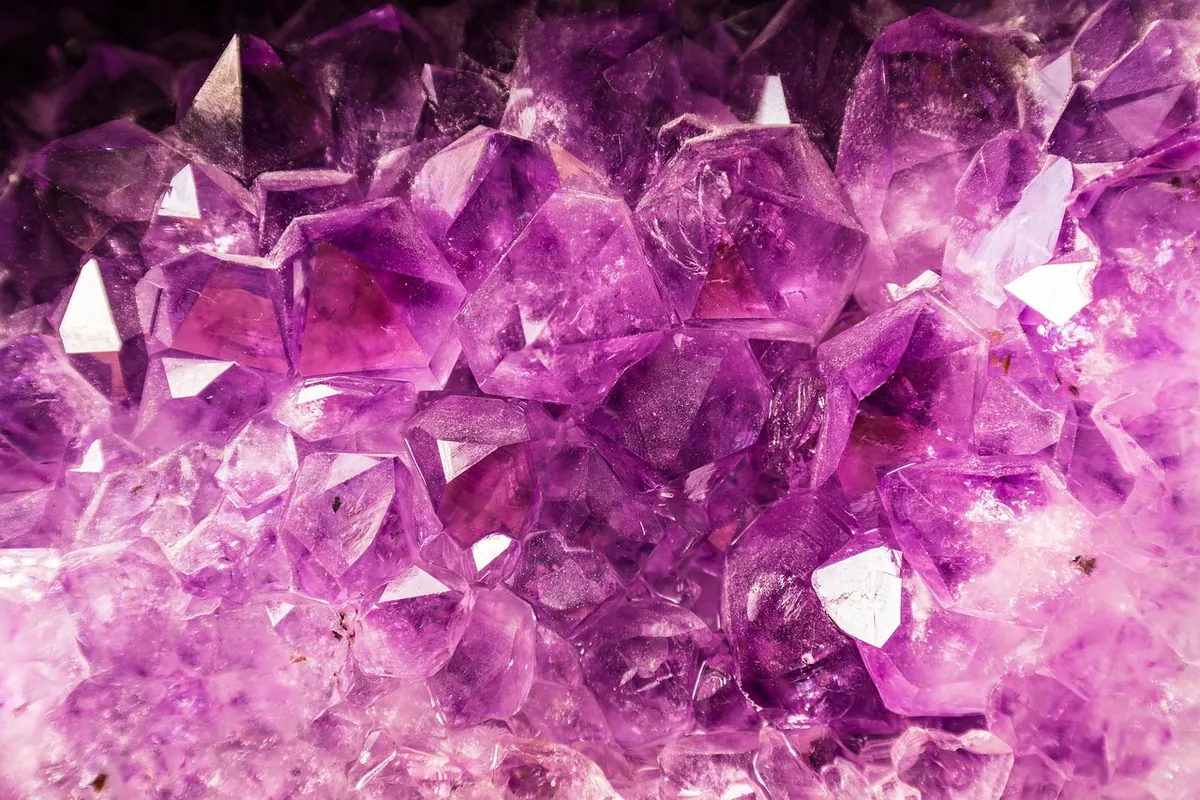
Sweat is salty and slightly acidic; over a summer it dulls metal and leaves a haze on stones. A quick wipe at the end of a hot day is enough. Heat matters in one more place people forget: a parked car. Leave a jewelry roll on the dashboard and you are baking stones and drying out treatments. Long sun exposure also fades some stones — amethyst, citrine, and rose quartz among them — so a sunny windowsill is not a storage spot.
Winter: Dry Air, Radiators, and Wool
Indoor heating drops humidity hard. Opals, pearls, turquoise, and coral are the stones that notice first, because they hold water or are porous. An opal that lives all winter on a shelf above a radiator is a candidate for crazing — fine cracks that appear from the inside out. Keep these pieces in a closed box or pouch, away from direct heat, and if your home is very dry, a sealed bag with a barely damp cotton ball (not touching the stone) is a long-standing trick among jewelers.
Thermal shock cuts both ways. Coming in from a freezing walk and holding cold hands to a hot radiator, or stepping into a hot shower with rings on, is exactly the sudden swing that inclusions do not like. Let a piece come to room temperature in its box, not on the radiator.
Winter also brings wool, tight cuffs, and gloves. Scarves snag prongs. A loose ring slides off inside a glove and is simply gone. Check the tightness of settings at the start of the season — a gentle press on each stone with a fingertip; if it rocks or clicks, it goes to a jeweler. Be mindful with hand sanitizer too: alcohol is fine on sapphire, less kind to porous stones and to some treatments.
A Month-by-Month Care Routine
- January — Post-holiday inspection. Check every prong you can see and note any stone that moves. Book a professional check if something seems loose.
- February — Deep clean the pieces you wore all winter: warm water, a drop of mild dish soap, a soft brush, rinse in a bowl.
- March — Reorganize storage. Separate pouches for soft stones; nothing tumbling against anything else.
- April — Spring check on clasps and chains, which wear faster than most people expect.
- May — Pre-summer reset. Clean off winter residue and decide which pieces will be everyday wear and which stay home on holiday.
- June — Sunscreen season begins. Wipe after every outdoor day; rinse after any pool or sea contact.
- July — The mid-summer clean. Salt and sweat build up fast; a five-minute soak and brush resets everything.
- August — Check ring sizing. Fingers swell in heat, so a ring that is snug in July may be uncomfortable now.
- September — Post-holiday inspection: prongs, settings, and any stone that saw a lot of sun.
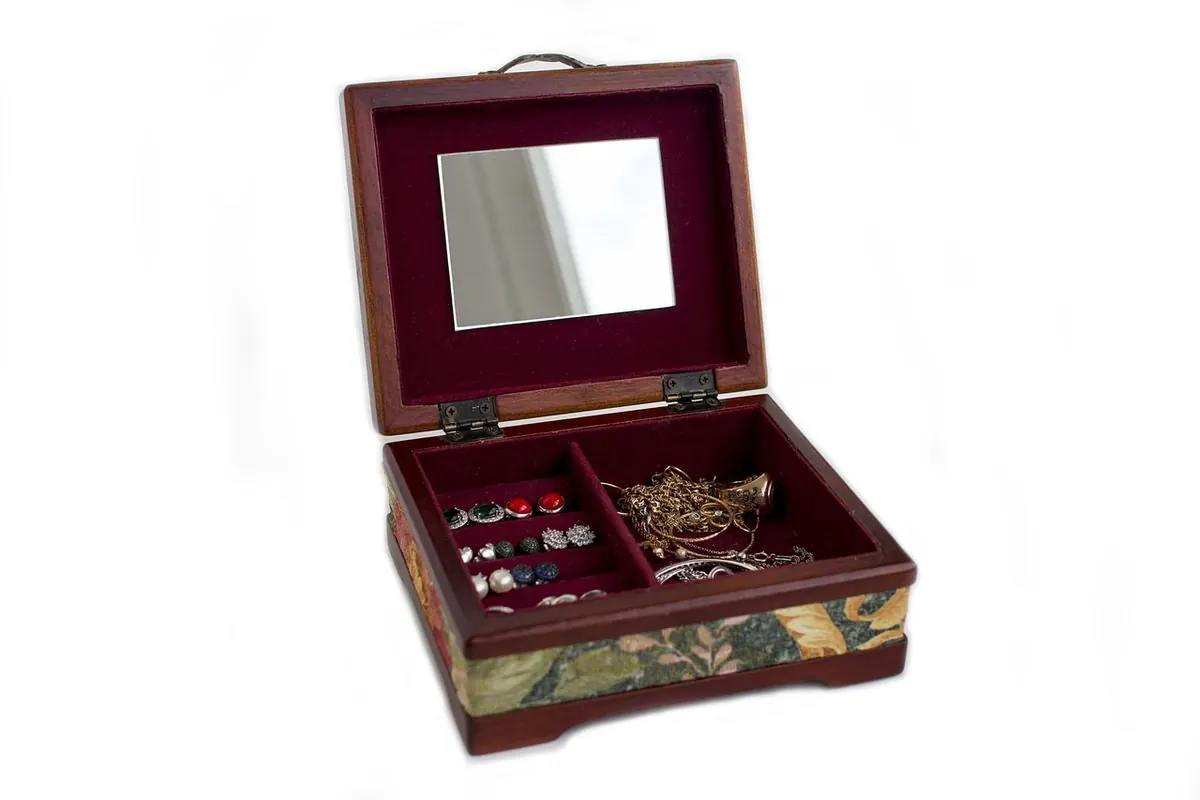
- October — The heating comes on. Move opals, pearls, and porous stones away from radiators and vents.
- November — Moisture check for water-bearing stones; refresh storage and keep boxes closed.
- December — Party season. Inspect before wearing, keep perfume and hairspray off the piece, and count the pieces before you go home.
The Cleaning Rules That Cover Almost Everything
Warm water, a small drop of mild dish soap, a soft baby toothbrush, and a bowl rather than a running sink. Brush gently under the setting where residue hides, rinse in clean water, and dry on a lint-free cloth. That routine is safe for sapphire, ruby, diamond, and most durable stones.
Skip the ultrasonic and steam cleaner if any of the following applies:
- Emerald — almost always oiled or resin-treated, and cleaning can strip the fill.
- Opal, pearl, coral, turquoise, lapis — porous or water-bearing, and sensitive to heat and solvents.
- Tanzanite — brittle and heat-sensitive; keep it away from sudden temperature change.
- Any stone with a visible fracture, cavity, or fracture-filled treatment.
- Any piece you are unsure about. Ask a jeweler before you experiment.
Also skip bleach, toothpaste, vinegar, and any method that involves soaking overnight. None of them clean better than soap and a brush, and all of them carry a risk you do not need to take.
Make It a Habit, Not a Chore
The whole routine fits into the odd five minutes: wipe after a hot day, rinse after a swim, dry before storage, and look at your settings once a month. Keep a soft cloth in your bag and a small brush by the bathroom sink. Store pieces separately, and take them off before sunscreen, chlorine, cleaning products, and the gym.
Sapphires earn their reputation for toughness, and a well-set one will keep it for decades. Everything else in the box needs a little more attention, and the seasons are the easiest schedule to follow: chemistry in summer, dryness and temperature swings in winter, and one professional check a year for the settings. Your stones will stay brighter, and you will notice a loose prong long before it becomes a lost stone. If a piece carries real sentimental or financial value, have it checked and insured properly — that is a conversation for a qualified jeweler or insurer, not a guessing game.
Photo: Irina_kukuts / Pixabay