How to Read a Gemstone Certificate: A Beginner's Checklist
A folded lab report often lands on the counter before the stone does. It has a number in the corner, a logo, a small photograph, and it looks authoritative enough that most buyers skim it and nod. That is a mistake worth avoiding. A gemstone certificate is not a promise of beauty or value. It is a technical description of one specific stone, produced by one specific laboratory, on one specific date. Read it properly and it tells you what you are actually buying: the species, the weight to the hundredth of a carat, whether the stone has been heated or filled, and sometimes where in the world it was pulled from the ground.
Below is how to go through a report line by line, in the order the information usually appears.
First, Know What the Document Is Not
A lab report is not an appraisal. It carries no price, no estimate, and no judgement about whether the stone is a good buy. It is also not a guarantee of the seller's honesty — it is a statement about a stone, and stones can be swapped, recut, or misrepresented after the fact.
Reports generally fall into two families. An identification report covers colored stones: what the material is, how much it weighs, whether it has been treated, and often an origin opinion. A grading report covers diamonds and rates color, clarity and cut on established scales. Some laboratories issue both, or a combined document.
Who wrote it matters as much as what it says. Names you will meet include GIA, Gübelin, SSEF, AGL, GRS, Lotus, IGI and AIGS, and their standing varies by market and by stone type — a report trusted for emerald in one country may be less familiar for sapphire in another. Ask the seller which lab produced the paper and why that lab was chosen. A "certificate" printed by the seller's own company is a sales document, not an independent opinion, and should be read as such.
The Header: Report Number, Date, and Scope
Start at the top. The report number is the key to everything else, because most major laboratories publish an online lookup where you can enter the number and see the record for yourself. Do it while you are still in the shop. Compare the photograph on screen with the stone in front of you, and compare the stated measurements with a real measurement.
Then look at the date. A report describes a stone as it was on the day it was examined. If it is ten years old, ask directly whether the stone has been recut, repolished or treated since. A recut changes the weight and the proportions, which means the report no longer describes the object you are holding.
Finally, check the scope. Some reports are miniature cards issued with limited testing; others are full documents with inclusion plots and detailed comments. Laboratories also note when a stone was examined while still set in jewelry, because a setting limits what can be seen. That note is not a red flag, but it does tell you the examination had limits.
Identity and Weight: The Two Hard Facts
Amid all the opinions on the page, two things are close to factual: what the material is and how much it weighs.
Look for a species-and-variety statement, ideally in the form "corundum, variety ruby" or "beryl, variety emerald." That phrasing is stronger than a trade name standing alone. Laboratories stick to gemological terminology, which is why reading this line can be clarifying: if the paper says green quartz and the tag in the case says emerald, the conversation is over.
Weight is given in carats to two decimal places, and one carat equals 0.2 grams. A hundred points make a carat, so a 0.75 ct stone is seventy-five points. Remember that carat is weight, not size — a dense stone such as sapphire looks smaller than a diamond of the same weight, and a shallow cut can look larger than its weight suggests.
Measurements in millimetres are the quiet hero of the report. Note the length, width and depth, then ask the jeweller to measure the stone with a gauge in front of you. Numbers that do not match the report are your cue to stop and ask why.
Origin: An Opinion, and Worth Reading as One
Country of origin influences price for a handful of stones — Kashmir sapphire, Burmese ruby, Colombian emerald — and that commercial weight is exactly why the wording deserves attention.
Origin is determined from inclusions and trace-element chemistry, and laboratories present it as an opinion. Read the qualifiers carefully. "Colombia" is a firmer statement than "Colombia, probable," and "origin not determinable" is a perfectly respectable result that some labs reach on stones that are simply not diagnostic. Not every laboratory offers the service at all, and many charge extra for it, so its absence is not evidence of anything sinister.
One caution: origin is not quality. A superb ruby from a less fashionable source is still a superb ruby, and paying a premium for a country name on a report rather than for the stone itself is one of the most common ways buyers overspend.
Treatment: The Line to Read Twice
For colored stones, this is the most price-relevant section on the page. Almost every ruby and sapphire on the market has been heated, which is a routine and accepted practice. Beyond that, the range widens considerably.
- Heating. Often written out in full, sometimes abbreviated to a single letter such as H, with a key printed alongside. "No indications of heating" is a meaningful and more valuable result than "heated."
- Clarity enhancement. The usual euphemism for oiling or resin treatment in emerald. Look for how much: minor, moderate or significant. A heavily oiled emerald needs different handling and deserves a different price.
- Fracture filling. Common in low-grade ruby, using lead glass or similar materials. It is a substantial, price-altering treatment and should be stated plainly.
- Diffusion. Applied to sapphire and some other stones to alter color at the surface. Read whether the treatment is described as surface-reaching.
- Irradiation. Used on some topaz and tourmaline to change color.
Note the precise wording of a negative. "No indications of heating" means the laboratory saw nothing suggesting heat; it is not the same sentence as "untreated." Where a report says treatment was not detected, it is describing the limits of observation, not issuing a guarantee.
Treatments also carry care instructions. Oiled emeralds should be kept away from ultrasonic cleaners and steam. Fracture-filled stones are more fragile than they look. Ask what the treatment means for daily wear before you leave the shop.
Color, Clarity and Cut: Reading the Graded Lines
Diamonds
Diamond grading reports follow familiar scales: color from D to Z, clarity from flawless down through the inclusions grades, cut from excellent to poor, plus polish, symmetry and fluorescence. Read the comments section too — it is where laboratories mention details such as graining or extra facets. If the stone is laboratory-grown, the report will state that clearly, and it is a different document from a natural diamond report.
Colored stones
There is no universal number for colored stone color. Laboratories describe hue, tone and saturation in words, and each lab has its own vocabulary and its own key printed on the report. A term such as "vivid blue" from one laboratory is not directly comparable to the same words from another, which is why comparing two stones by their reports alone can mislead. Compare the stones, then use the reports to confirm what your eyes found.
Clarity is often described loosely, sometimes with a type classification that sets expectations for that species. Cut is where colored stone reports are thinnest: most do not issue a cut grade, only proportions and a finish comment. Look for notes on symmetry, polish, and any mention of a window or a dark extinction zone, and remember that many colored stones are cut to save weight rather than to return light.
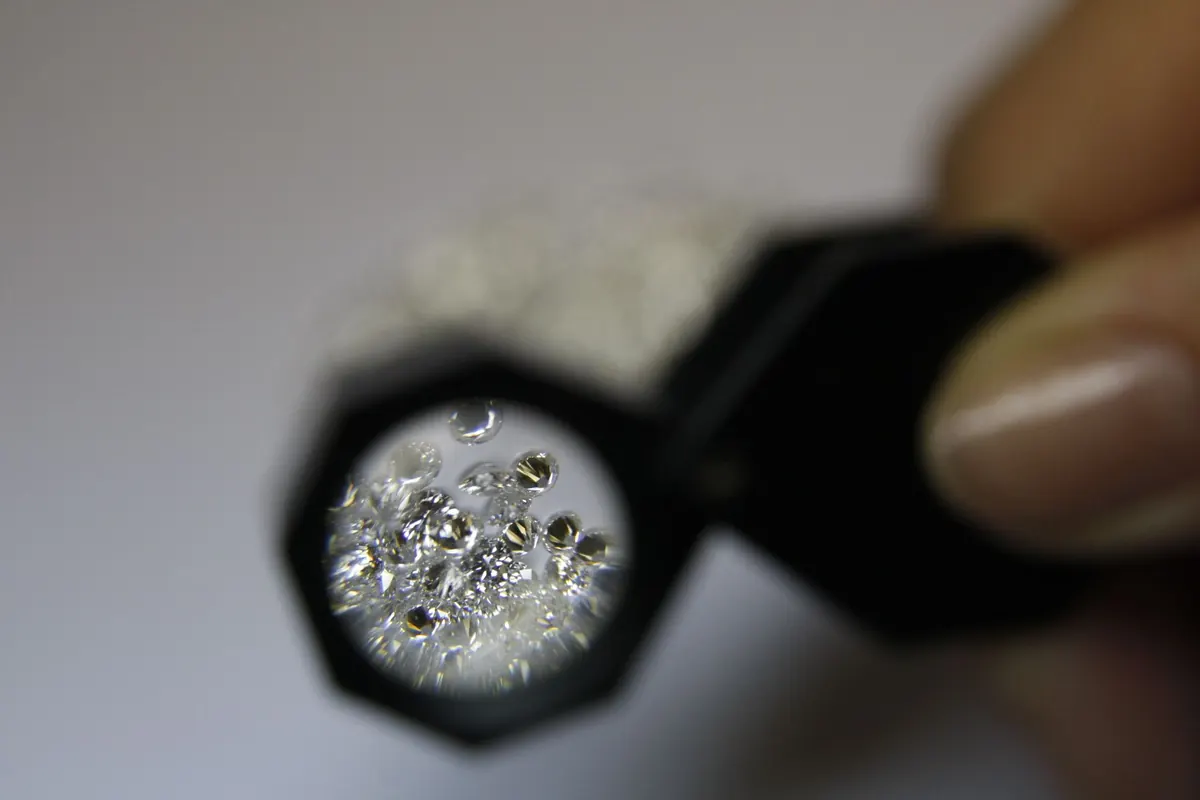
If an inclusion plot is included, use it. Ask for a loupe and find two or three of the plotted marks. A plot that matches the stone is quiet reassurance that the paper and the object belong together.
A Checklist to Run Before You Pay
- Confirm the report number on the laboratory's own website, not a page supplied by the seller.
- Match the photograph and stated measurements to the stone in front of you, with a gauge.
- Check the date, and ask whether the stone has been altered since.
- Read the species and variety line and confirm it matches what you were told verbally.
- Note the carat weight and remember it describes weight, not apparent size.
- Read the treatment line in full, including the qualifiers and any key to abbreviations.
- If origin matters to the price, check exactly how confident the laboratory's wording is.
- Read the comments section, which is where limitations and unusual features appear.
- Ask which laboratory issued the report and whether a second opinion is warranted at this price level.
- Request a separate, independent appraisal for insurance — a lab report is not a valuation.
None of this requires a gemologist's training. It requires ten quiet minutes, a loupe, and the willingness to ask a question the seller may not expect. The report is a starting point for a conversation about a specific stone, not a substitute for looking at it carefully. Buy the stone; keep the paper as confirmation. And for a purchase that represents real money, an independent appraiser or a second laboratory opinion is money well spent.
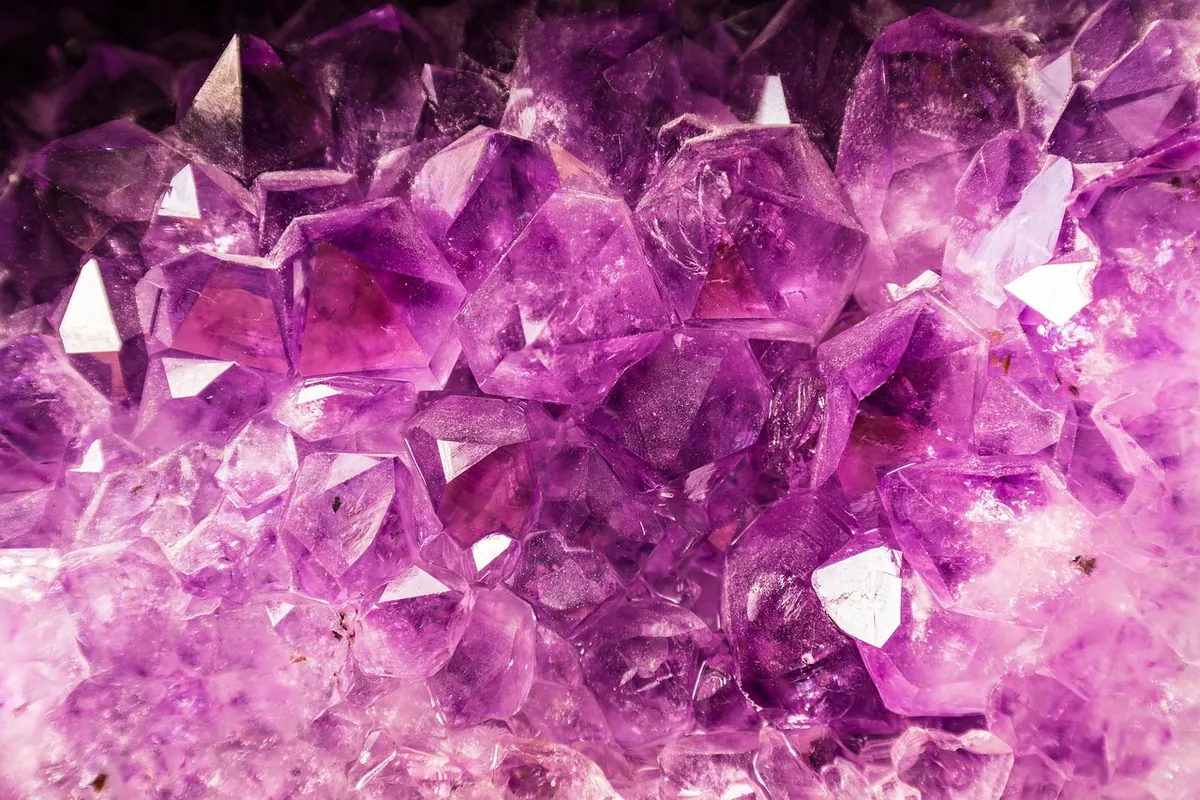
Photo: Didgeman / Pixabay